Lyndon B. Johnson: Impact and Legacy
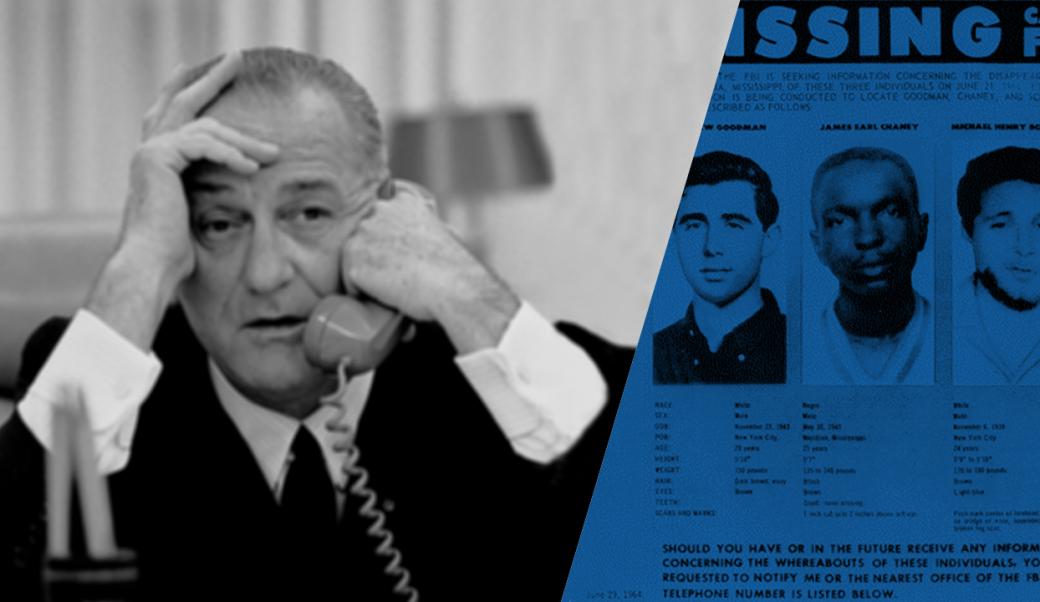
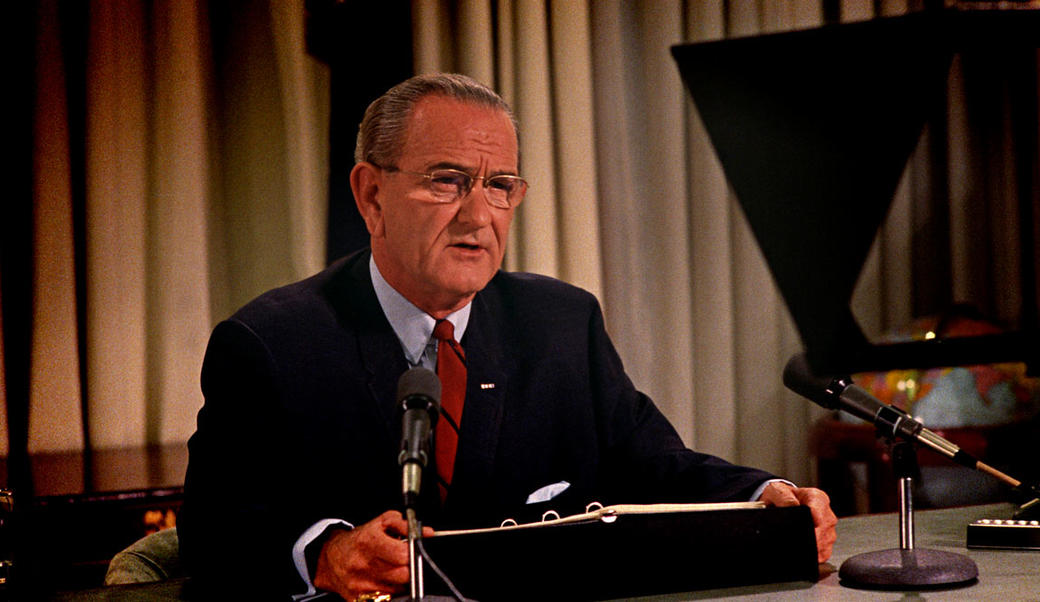
Lyndon Johnson's presidency began and ended with tragedy. He came into office after the death of a popular young president and provided needed continuity and stability. He advanced and expanded the Kennedy legacy, obtaining far more than Kennedy would likely have gotten out of Congress, and then won a huge landslide victory for himself and his party.
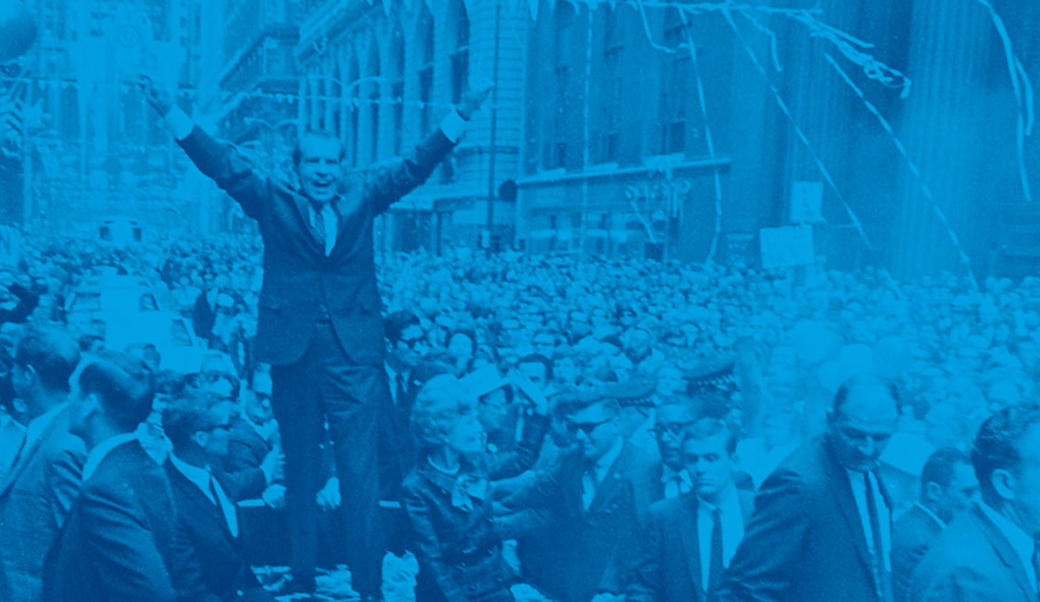
President Johnson's administration extended the New Deal of Franklin Roosevelt, including aid to education, Headstart, Medicare, and Medicaid—programs that are still significant today and that command support for their effectiveness. Johnson's administration also passed an unprecedented amount of legislation, with much of it designed to protect the nation's land, air, water, wilderness, and quality of life. But many of his initiatives for the arts, for the environment, for poverty, for racial justice, and for workplace safety angered economic and social conservatives and became the targets of alienated white voters. The reaction to his Great Society and to broader trends helped spawn a dramatic political polarization in the United States that historians have labeled a conservative counterrevolution.
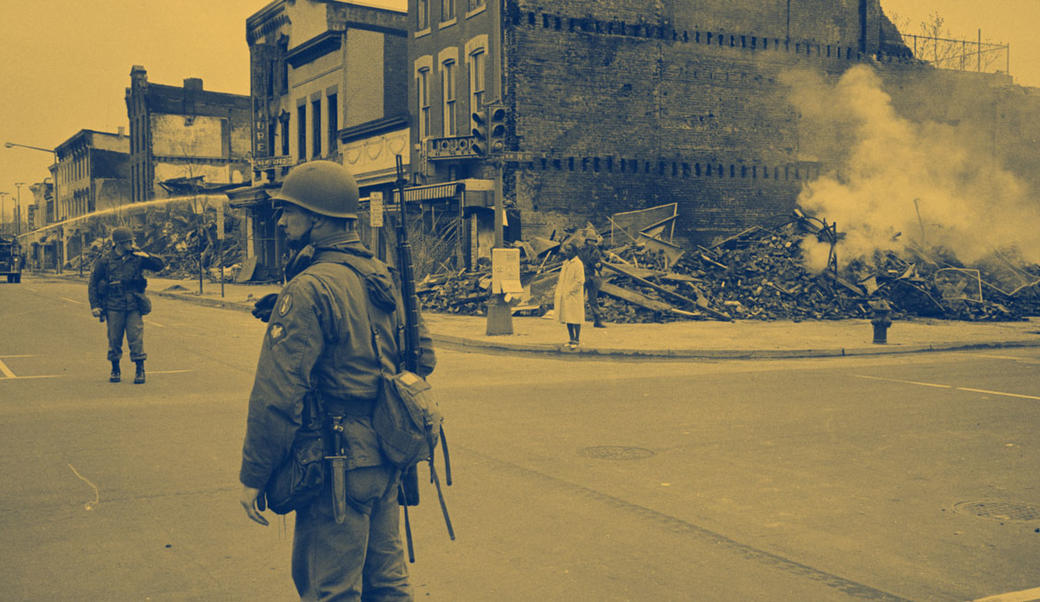
Further clouding Johnson's legacy was the devastating outcome of the Vietnam War. While his programs kept untold numbers of Americans out of poverty, gave others basic health care, and ensured the fundamental rights of citizenship for minorities, in Southeast Asia, millions of Vietnamese, Laotians, and Cambodians lost their lives and homes, more than 58,000 American military personnel died, and hundreds of thousands more had their lives permanently altered. At a time when Americans were reshaping the locus of power at home, events in Vietnam were raising serious questions about how America should use its clout abroad. The legacies of death, renewal, and opportunity attached to the Johnson administration are ironic, confusing, and contested.
For the near half century following Johnson’s presidency, critiques have come from both the left and the right. Conservatives routinely criticize Johnson for creating too many social welfare and social justice programs and inserting the federal government too deeply into the lives and choices of Americans. Liberals, conversely, have emphasized the ill-effects of Vietnam on domestic and international affairs and have dismissed the Johnson presidency as ultimately a failure.
More recently, as the administration and its most important accomplishments in civil rights and social welfare policy have come under new attacks from the Make American Great Again (MAGA) movement, the left has reassessed Johnson and his presidency. Rollbacks to revered Johnson-era programs such as voting rights, public broadcasting, and Head Start, combined with Congress’s inability to legislate has caused Americans to look anew at the legacy of Johnson’s Great Society.
Perhaps then the assessment of Johnson’s presidency depends more on the current political moment and less on what happened in the 1960s. If this is true, Johnson’s legacy in another fifty years will likely say more about American society in the 2060s than the 1960s.